Running a small business is not easy. Business owners often have to manage sales, customer service, marketing, and operations at the same time. As the number of customers grows, keeping track of conversations, purchases, follow-ups, and customer preferences can quickly become overwhelming. This is where a Customer Relationship Management system, commonly known as a CRM, becomes extremely valuable.
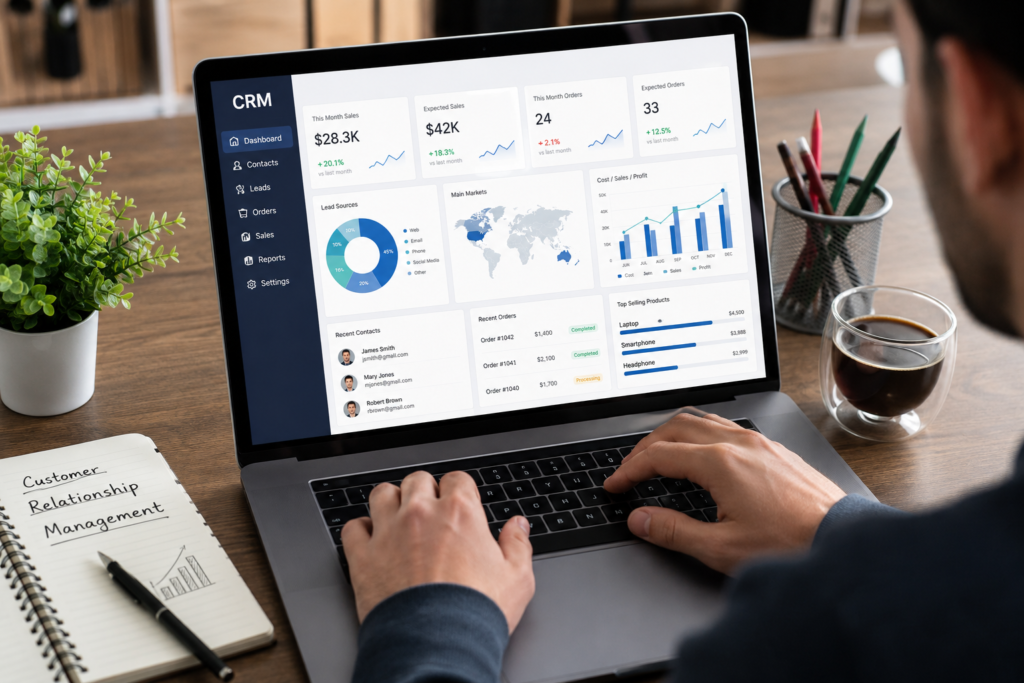
A CRM system is designed to help businesses organize customer information, improve communication, and increase overall efficiency. While large corporations have used CRM software for many years, small businesses are now realizing that CRM systems are no longer a luxury. They have become an essential tool for growth and long-term success.
One of the biggest benefits of using a CRM system is improved customer relationships. Customers expect businesses to understand their needs and provide personalized experiences. Without a CRM, important information can easily get lost in emails, spreadsheets, or handwritten notes. A CRM stores customer details in one centralized location, making it easier for employees to access previous conversations, purchase history, and preferences. This allows businesses to communicate more effectively and create stronger relationships with their customers.
Another important advantage is increased sales performance. Small businesses often struggle to manage leads efficiently, especially when multiple potential customers are contacting the company at the same time. A CRM helps organize leads and track each stage of the sales process. Sales teams can monitor follow-ups, schedule reminders, and identify which opportunities are most likely to convert into paying customers. By having a clear overview of the sales pipeline, businesses can close deals faster and avoid missing valuable opportunities.
A CRM system also helps improve customer service. When customers contact a business with questions or concerns, they expect quick and accurate responses. With a CRM, customer support teams can instantly access customer records and previous interactions. This reduces response time and helps employees provide better solutions. Customers appreciate businesses that remember their history and resolve issues efficiently, which leads to higher satisfaction and stronger loyalty.
Time management is another major benefit for small businesses. Many daily tasks, such as sending follow-up emails, scheduling appointments, updating contact information, and tracking customer activity, can consume a large amount of time. Modern CRM systems often include automation features that handle repetitive tasks automatically. This allows employees to focus on more important activities like building relationships, improving products, and growing the business. Automation not only saves time but also reduces the risk of human error.
In addition to saving time, CRM systems improve internal organization. Small businesses frequently face challenges when information is scattered across different platforms or departments. Employees may struggle to find updated customer data or communicate effectively with one another. A CRM creates a shared workspace where teams can collaborate more efficiently. Everyone has access to the same customer information, which improves teamwork and ensures consistency in communication.
Marketing efforts also become more effective with a CRM system. Successful marketing depends on understanding customer behavior and preferences. A CRM collects valuable data about customer interactions, purchases, and engagement. Businesses can use this information to create targeted marketing campaigns that are more relevant to specific audiences. Instead of sending generic advertisements to everyone, companies can personalize messages based on customer interests. Personalized marketing often leads to higher engagement, better conversion rates, and increased revenue.
Another significant benefit is better customer retention. Acquiring new customers can be expensive and time-consuming, which is why retaining existing customers is extremely important for small businesses. A CRM helps businesses maintain regular communication with customers through reminders, newsletters, personalized offers, and follow-up messages. By staying connected with customers and understanding their needs, businesses can build long-term loyalty and encourage repeat purchases.
Data analysis and reporting are also much easier with a CRM system. Small business owners need accurate information to make smart decisions, but collecting and analyzing data manually can be difficult. CRM software provides detailed reports and insights about sales performance, customer behavior, marketing results, and employee productivity. These reports help business owners identify trends, measure progress, and make informed decisions for future growth. Access to real-time data allows businesses to react quickly to changing market conditions.
Scalability is another reason why CRM systems are valuable for small businesses. As a company grows, managing customer relationships becomes more complex. What works for a small number of customers may no longer be effective when the business expands. A CRM system can grow alongside the business by handling larger amounts of customer data and supporting additional employees. This flexibility helps businesses maintain efficiency and consistency even during periods of rapid growth.
A CRM also improves professionalism and brand reputation. Customers are more likely to trust businesses that respond quickly, stay organized, and provide personalized experiences. When employees have access to complete customer information, they can communicate more professionally and confidently. Consistent communication creates a positive impression and strengthens the company’s reputation in the market. In highly competitive industries, professionalism can be a major factor that separates successful businesses from their competitors.
Finally, using a CRM system can provide a competitive advantage. Many small businesses still rely on outdated methods such as spreadsheets or manual record-keeping. Companies that invest in CRM technology are often able to respond faster, understand customers better, and operate more efficiently. This allows them to compete more effectively against larger businesses and attract more loyal customers. In today’s digital economy, businesses that fail to adopt modern tools may struggle to keep up with changing customer expectations.
In conclusion, a CRM system offers numerous benefits for small businesses looking to improve customer relationships, increase sales, and operate more efficiently. From better organization and automated processes to improved marketing and customer retention, CRM software helps businesses create stronger connections with their customers while supporting long-term growth. As technology continues to evolve, CRM systems are becoming more accessible and affordable for businesses of all sizes. For small business owners who want to stay competitive and build a successful future, investing in a CRM system is one of the smartest decisions they can make.