In today’s highly competitive business environment, organizations are constantly looking for ways to improve efficiency, strengthen customer relationships, and drive revenue growth. One of the most effective tools that modern businesses use to achieve these goals is Customer Relationship Management (CRM) automation. By automating repetitive tasks, streamlining workflows, and providing valuable customer insights, CRM automation enables sales teams to work more productively while delivering a better customer experience. As customer expectations continue to rise, businesses that embrace CRM automation gain a significant advantage in both sales performance and customer satisfaction.
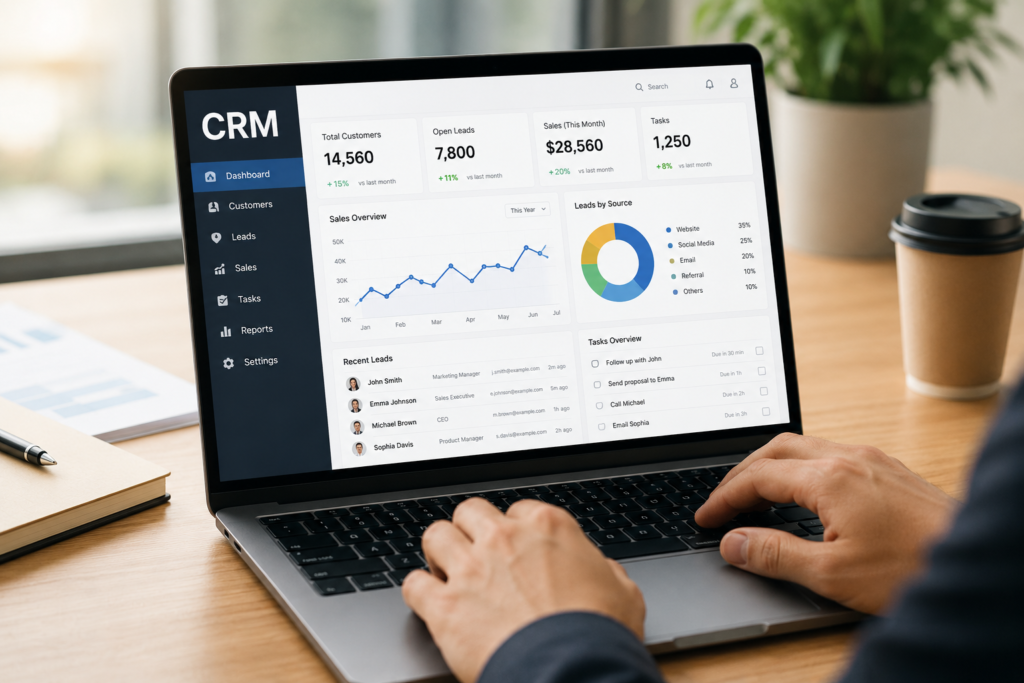
CRM automation refers to the use of technology to automate routine processes within a CRM system. These processes can include lead management, follow-up communications, customer data entry, task assignments, sales reporting, and customer support interactions. Instead of spending valuable time on administrative work, sales representatives can focus on building relationships, identifying opportunities, and closing deals. This shift allows businesses to maximize the effectiveness of their sales teams while ensuring that customers receive timely and personalized interactions.
One of the primary ways CRM automation increases sales productivity is by reducing manual data entry. In many organizations, sales professionals spend a significant portion of their day updating customer records, logging interactions, and managing spreadsheets. These tasks, while necessary, often consume time that could be better spent engaging with prospects and customers. CRM automation eliminates much of this burden by automatically capturing customer information from emails, websites, social media channels, and other communication platforms. As a result, sales representatives have access to accurate and up-to-date information without having to manually input every detail.
Lead management is another area where CRM automation delivers substantial benefits. Businesses often generate leads from multiple sources, including online forms, marketing campaigns, referrals, and events. Without an efficient system in place, valuable leads can easily be overlooked or lost. CRM automation helps businesses organize and prioritize leads based on predefined criteria such as engagement level, demographic information, or purchasing intent. Automated lead scoring enables sales teams to focus on the most promising opportunities, improving conversion rates and ensuring that resources are allocated effectively.
Timely follow-up is essential for successful sales outcomes, and CRM automation plays a crucial role in maintaining consistent communication. Research has shown that prospects are more likely to convert when businesses respond quickly to inquiries. Automated workflows can instantly send welcome emails, schedule follow-up reminders, and notify sales representatives when action is required. This ensures that no opportunity is missed due to delayed responses or forgotten tasks. By maintaining regular and timely communication, businesses can nurture leads more effectively and move them through the sales pipeline with greater efficiency.
CRM automation also enhances productivity by improving collaboration across departments. Sales, marketing, and customer service teams often need access to the same customer information to provide a seamless experience. Automated CRM systems centralize customer data, making it accessible to authorized team members in real time. This eliminates information silos and reduces the risk of miscommunication. When departments work with a unified view of the customer, they can coordinate their efforts more effectively and deliver consistent messaging throughout the customer journey.
Another important advantage of CRM automation is the ability to generate accurate reports and analytics. Sales managers need reliable data to evaluate performance, forecast revenue, and identify areas for improvement. Manual reporting processes can be time-consuming and prone to errors. CRM automation simplifies this task by automatically collecting and analyzing sales data. Real-time dashboards provide visibility into key metrics such as conversion rates, sales pipeline performance, customer acquisition costs, and revenue growth. These insights enable decision-makers to make informed strategic choices and optimize sales processes for better results.
Beyond improving internal efficiency, CRM automation significantly contributes to customer satisfaction. Modern customers expect personalized experiences and prompt responses from the companies they interact with. CRM automation helps businesses meet these expectations by delivering relevant communications based on customer behavior, preferences, and purchase history. For example, automated email campaigns can provide tailored product recommendations, special offers, or educational content that aligns with a customer’s interests. Personalized interactions make customers feel valued and understood, strengthening their connection with the brand.
Consistency is another factor that influences customer satisfaction, and CRM automation helps ensure that customers receive a reliable experience across all touchpoints. Automated workflows standardize communication processes, reducing the likelihood of human error or oversight. Customers receive timely updates, confirmations, and follow-up messages without unnecessary delays. Whether they are interacting with a sales representative, customer support agent, or marketing team, customers experience a cohesive and professional level of service that builds trust and confidence.
Customer support can also benefit greatly from CRM automation. When customers reach out with questions or concerns, they expect quick and effective assistance. Automated ticketing systems can categorize and prioritize support requests, ensuring that urgent issues receive immediate attention. CRM platforms can also provide support agents with complete customer histories, enabling them to resolve problems more efficiently. Faster response times and more informed interactions contribute directly to higher levels of customer satisfaction and loyalty.
The ability to anticipate customer needs is another valuable outcome of CRM automation. Advanced CRM systems often incorporate artificial intelligence and predictive analytics to identify patterns in customer behavior. By analyzing historical data, these systems can predict future purchasing trends, identify customers at risk of churning, and recommend appropriate actions to retain them. Sales teams can proactively engage customers with relevant solutions before issues arise, creating a more positive and proactive customer experience.
As businesses grow, maintaining high levels of productivity and customer satisfaction becomes increasingly challenging. CRM automation provides scalability by allowing organizations to manage larger volumes of customers and transactions without proportionally increasing administrative workloads. Automated processes ensure that operational efficiency remains consistent even as customer bases expand. This scalability enables businesses to support growth while maintaining the quality of service that customers expect.
Furthermore, CRM automation contributes to stronger customer retention. Acquiring new customers is often more expensive than retaining existing ones, making loyalty a critical component of long-term business success. Automated customer engagement strategies help businesses stay connected with customers after the initial sale. Regular follow-ups, satisfaction surveys, loyalty programs, and personalized communications keep customers engaged and encourage repeat business. When customers feel appreciated and supported, they are more likely to remain loyal and recommend the company to others.
The competitive advantages offered by CRM automation extend beyond productivity gains and customer satisfaction improvements. Businesses that leverage automation can respond more quickly to market changes, identify emerging opportunities, and adapt their strategies based on real-time data. This agility allows organizations to stay ahead of competitors while continuously improving customer experiences. In an era where customer expectations are constantly evolving, the ability to deliver efficient, personalized, and responsive service is a key differentiator.
In conclusion, CRM automation has become an essential tool for businesses seeking to improve sales productivity and enhance customer satisfaction. By automating repetitive tasks, streamlining lead management, facilitating collaboration, generating actionable insights, and enabling personalized customer interactions, CRM systems empower organizations to operate more efficiently and effectively. At the same time, customers benefit from faster responses, consistent communication, and more relevant experiences. As technology continues to advance, CRM automation will play an increasingly important role in helping businesses build stronger customer relationships, achieve sustainable growth, and maintain a competitive edge in the marketplace.